

What is Esophagitis?
The term “esophagitis” describes inflammation of the muscular tube that runs from the neck to the stomach. Swallowing difficulties, soreness, and discomfort are possible symptoms of this illness. Complications including esophageal ulcers or esophageal constriction might result from neglected treatment.
Types of Esophagitis:
- Acid Reflux Esophagitis
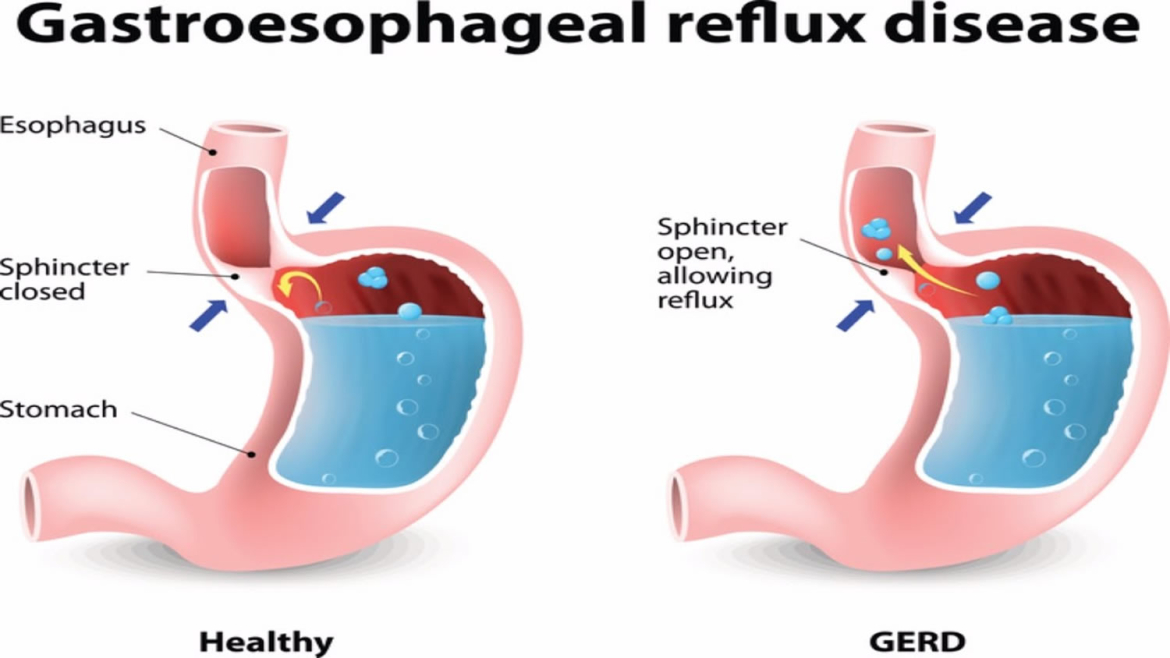
Caused by gastroesophageal reflux disease (GERD), where stomach acid flows back into the esophagus, leading to irritation. - Eosinophilic Esophagitis
Triggered by an allergic reaction, often related to food allergens or environmental factors, causing a buildup of white blood cells (eosinophils) in the esophagus. - Drug-Induced Esophagitis
Occurs when certain medications, such as aspirin or antibiotics, irritate the esophagus lining, particularly if not taken with enough water. - Infectious Esophagitis
A rare type caused by infections, often in people with weakened immune systems. Common culprits include fungi (Candida), viruses (herpes simplex virus), or bacteria. - Radiation Esophagitis
Results from radiation therapy in the chest or neck area, causing damage to the esophageal lining.
Causes of Esophagitis
- Acid Reflux: Prolonged exposure to stomach acid causes acid reflux disease (GERD).
- Food allergies: dairy, wheat, soy, nuts, and shellfish are common causes.
- Medications: Medications include bisphosphonates, potassium supplements, antibiotics, and non-steroidal anti-inflammatory medications (NSAIDs).
- Infections: bacterial, viral, or fungal infections, particularly in those with weakened immune systems.
- Lifestyle Elements: smoking, eating spicy or acidic meals, or drinking too much alcohol.
- Autoimmune Disorders: Inflammation of the esophagus may be caused by uncommon disorders such as scleroderma.
Symptoms of Esophagitis
-
- Dysphagia, or pain or trouble swallowing
- Pain in the chest, particularly after eating
- Regurgitation of acid or heartburn
- Hoarseness or swollen throat
- Food being lodged in the throat
- Vomiting or feeling queasy