What Is Aphasia?
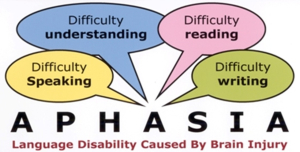
Damage to the language-related areas of the brain causes aphasia, a communication problem. Older persons are more likely to experience it, especially those who have had a stroke.
What Causes Aphasia?
The most common cause of aphasia is a stroke or other brain injury that damages one or more language-related brain regions.
Brain infections, brain tumours, and dementias like Alzheimer’s disease can also result in aphasia. Phonological disorders such as epilepsy can sometimes cause aphasia.
What Are the Types of Aphasia?
There are several forms of aphasia. Mild to severe impairment might result from each category. Typical aphasia kinds include the following:
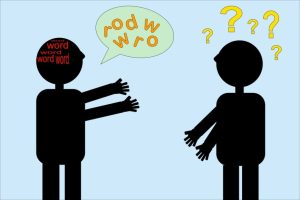
- Non-fluent expressive aphasia: In expressive aphasia, the person knows what they want to say but finds it hard to communicate themselves to others. Whether someone is attempting to write or speak what they are trying to express is irrelevant.
- Fluent receptive aphasia: In this condition, the individual may read, print, or hear a voice, but they might not comprehend what is being said. Individuals with receptive aphasia frequently take language literally. They may have trouble speaking since they don’t grasp their own language.
- Aphasia with anomalies. The individual with anomic aphasia has trouble finding words. We refer to this as anomia. Due to the challenges, the individual finds it difficult to write and talk in the appropriate language.
- Worldwide aphasia. The most severe kind of aphasia is this one. It frequently occurs immediately following a stroke. A person with global aphasia has trouble understanding and pronouncing words. The individual is also incapable of reading or writing.
- Progressive primary aphasia. People with primary progressive aphasia, an uncommon illness, gradually lose their abilities to read, write, speak, and understand what they hear in conversation over time. With the right treatment, aphasia following a stroke may improve. The fundamental progressive aphasia cannot be reversed. Other forms of communication are possible for people with primary progressive aphasia. For example, they may make gestures. Additionally, a lot of people benefit from taking medicine and speech therapy together.
There are moderate and severe forms of aphasia. A person with moderate aphasia may be able to communicate but struggle to grasp complex conversations or find the proper word. Communication is restricted in those with severe aphasia. The individual might not engage in or comprehend any conversations, and they might say very little.
What Signs Indicate Aphasia?
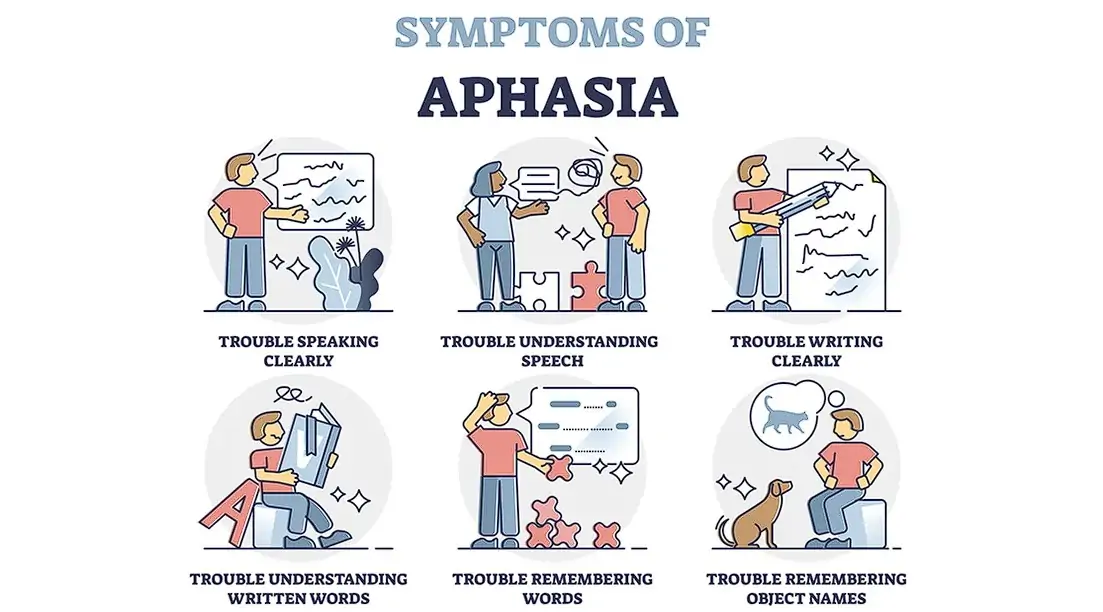
The following are the primary signs of aphasia: difficulty speaking; difficulty identifying the right phrase or word; and use of odd or unsuitable terms in conversation.
It might be difficult for some aphasics to comprehend what other people are saying. The issues arise especially when the person is exhausted or in a noisy or busy setting. Thinking abilities are unaffected by aphasia. However, the individual could struggle with handwriting and comprehension of written content. Some people find it difficult to use numbers or even to perform basic computations.